Strengthening Structures With Seismic Braces
Earthquakes are one of nature’s most powerful and destructive forces, capable of causing widespread damage to buildings and infrastructure. In earthquake-prone areas, it is essential to take proactive measures to ensure the safety and stability of structures. One method of strengthening buildings and other structures to withstand earthquakes is the installation of seismic braces, also known as earthquake bracing or seismic restraint systems.
seismic braces are structural elements that are designed and installed to increase a building’s ability to withstand the lateral forces generated by an earthquake. These braces are typically made of steel and are strategically placed throughout a structure to provide additional support and stability. By connecting different parts of a building together and anchoring them to the foundation, seismic braces help to distribute the forces caused by an earthquake and reduce the risk of collapse or severe damage.
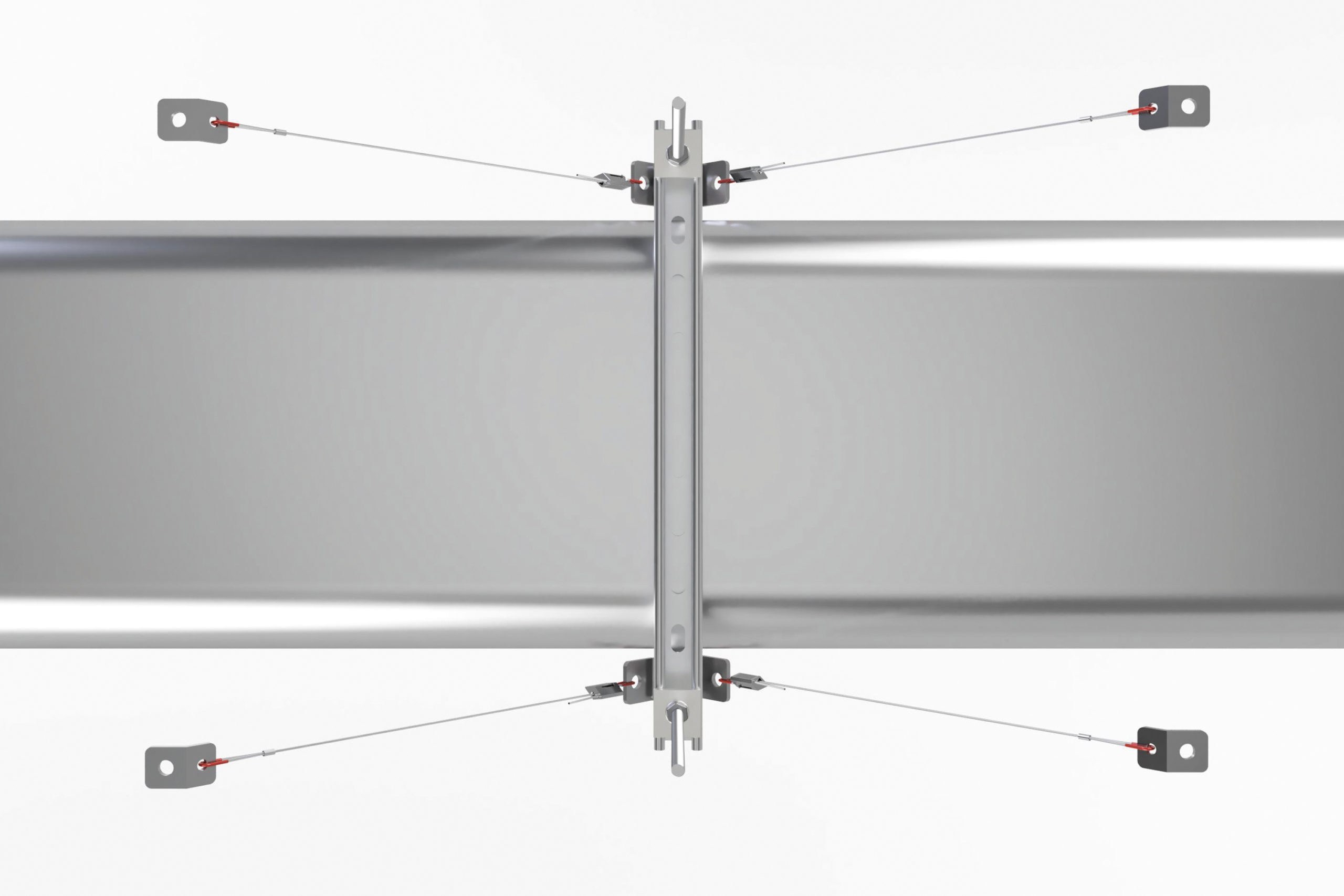
The primary purpose of seismic braces is to prevent a building from swaying too much during an earthquake. When an earthquake occurs, the ground shakes back and forth, causing the building to move in a similar manner. Without the proper support, this movement can become excessive and lead to structural failure. seismic braces help to limit the building’s lateral movement, keeping it more stable and upright during an earthquake.
In addition to limiting movement, seismic braces also help to protect a building’s structural integrity by reducing the amount of stress placed on its components. The forces generated by an earthquake can put immense pressure on a building’s frame, walls, and other elements, potentially causing them to fail. By adding seismic braces, the building’s overall strength and stiffness are increased, allowing it to better withstand these forces and remain intact.
There are several types of seismic braces that can be used to strengthen different types of structures. One common type is the moment frame brace, which consists of diagonally-braced steel frames that are connected to key structural elements. These braces are designed to absorb and dissipate the energy generated by an earthquake, helping to reduce the amount of force transmitted to the building.
Another type of seismic brace is the eccentric brace, which is a specialized type of moment frame brace that utilizes a combination of tension and compression to resist earthquake forces. These braces are often used in taller buildings or structures with specific design requirements, such as high-rise buildings or structures with irregular shapes.
In addition to moment frame and eccentric braces, there are also special concentric braces, which are designed to provide support and stability in buildings with limited space or unique design constraints. These braces can be installed in locations where traditional braces may not be feasible, helping to ensure that all parts of a structure are adequately supported.
The installation of seismic braces is a complex process that requires careful planning and coordination. Before installing seismic braces, engineers must conduct a thorough assessment of the building’s structural integrity and identify any weak points or areas of concern. Based on this assessment, engineers can develop a customized seismic bracing plan that addresses the specific needs of the building and provides the necessary support.
Once the bracing plan has been developed, the installation process can begin. This typically involves cutting through walls or floors to install the braces and connecting them to the building’s framework. In some cases, additional reinforcing materials may be added to further strengthen the structure and ensure its stability.
After the installation is complete, engineers will conduct thorough testing to ensure that the seismic braces are functioning as intended and providing the necessary support. This may involve simulating earthquake conditions to assess the building’s response and make any necessary adjustments to enhance its performance.
Overall, seismic braces are a crucial component of any earthquake mitigation strategy, helping to protect buildings and structures from the devastating effects of seismic activity. By increasing a building’s strength and stability, seismic braces can minimize damage, reduce the risk of collapse, and ultimately save lives. As seismic technology continues to advance, seismic bracing systems will play an increasingly important role in safeguarding our built environment against the forces of nature.